Understanding the Giant Constrictors
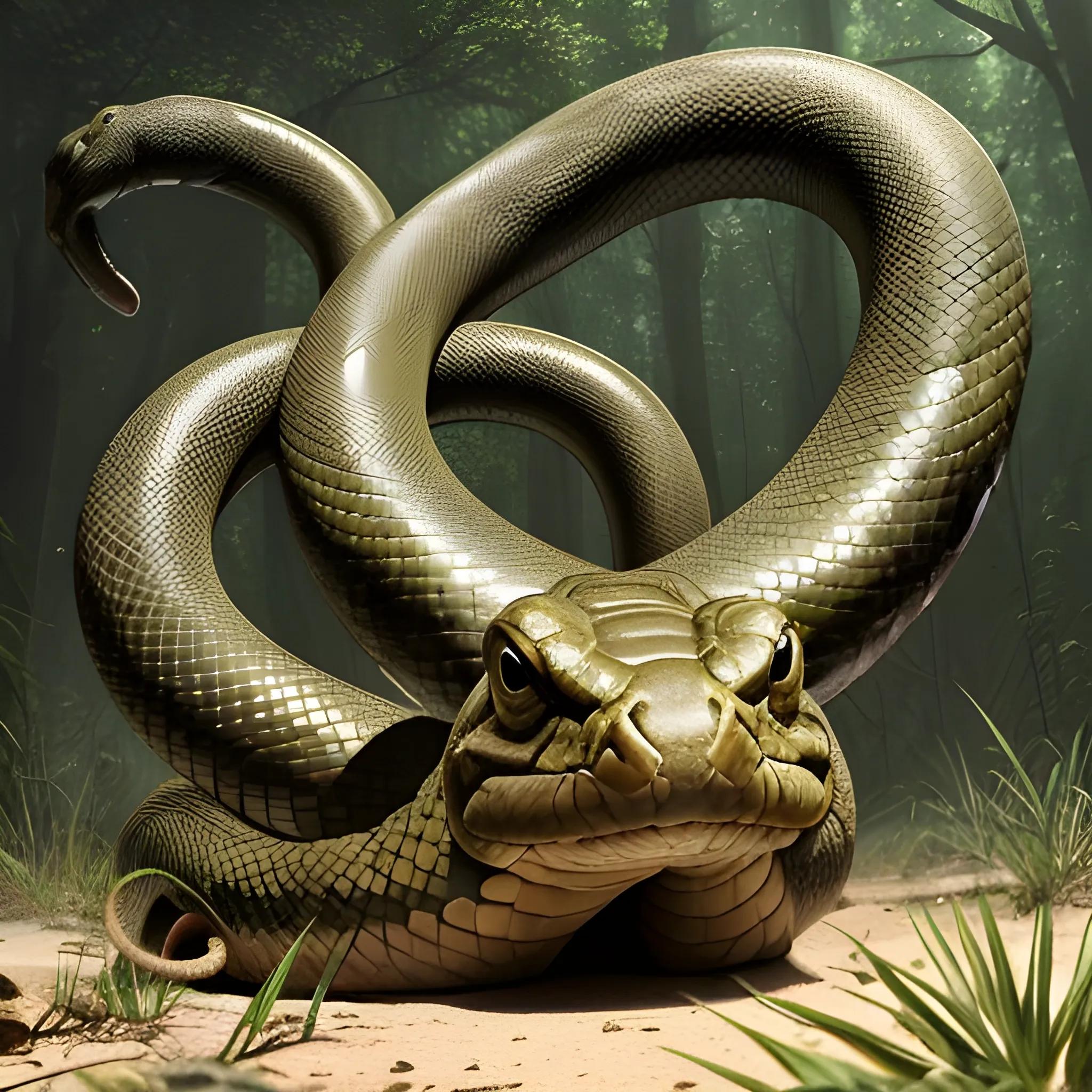
The family of snakes renowned for having some of the largest constrictors is diverse, encompassing not only the colossal tree dwellers of the rainforest but also small, ground-dwelling species that inhabit deserts. These non-venomous reptiles employ constriction to subdue prey, with an ability to significantly expand their jaws. Along with this impressive hunting strategy, they feature large belly scales and have remnants of a once full pelvis and hind limbs, manifesting as spurs in males. Most species possess a pair of well-developed lungs, a trait that is a rarity amongst their serpentine relatives.
Boas vs. Pythons: Distinct Lineages Within Boidae
Within the snake family Boidae, part of the superfamily Booids, there exists two distinct subfamilies: boas and pythons. Although they share many attributes, key differences set the two apart. While boas are born live and can be found across a range of continents, pythons are typically egg-layers found primarily in the Eurasian landmass. Pythons are also notable for their unique maternal care, with some species capable of generating warmth for their eggs through muscle contractions similar to shivering.
Boa Constrictors: A Closer Look
Boa Constrictor's Habitat and Behavior
The Boa Constrictor is notable for being the only reptile whose scientific name mirrors its common name. With an expansive habitat ranging throughout Latin America, these constrictors have a predilection for avoiding urbanization. Despite varying reports about their affinity for water, it has been observed that they are adept swimmers and can often be spotted in watery environments such as mangroves hunting for birds and small mammals. This nocturnal hunter showcases its versatility by capturing prey in-flight, making bats a favored choice.
Green Anaconda: The Mighty Aquatic Boa
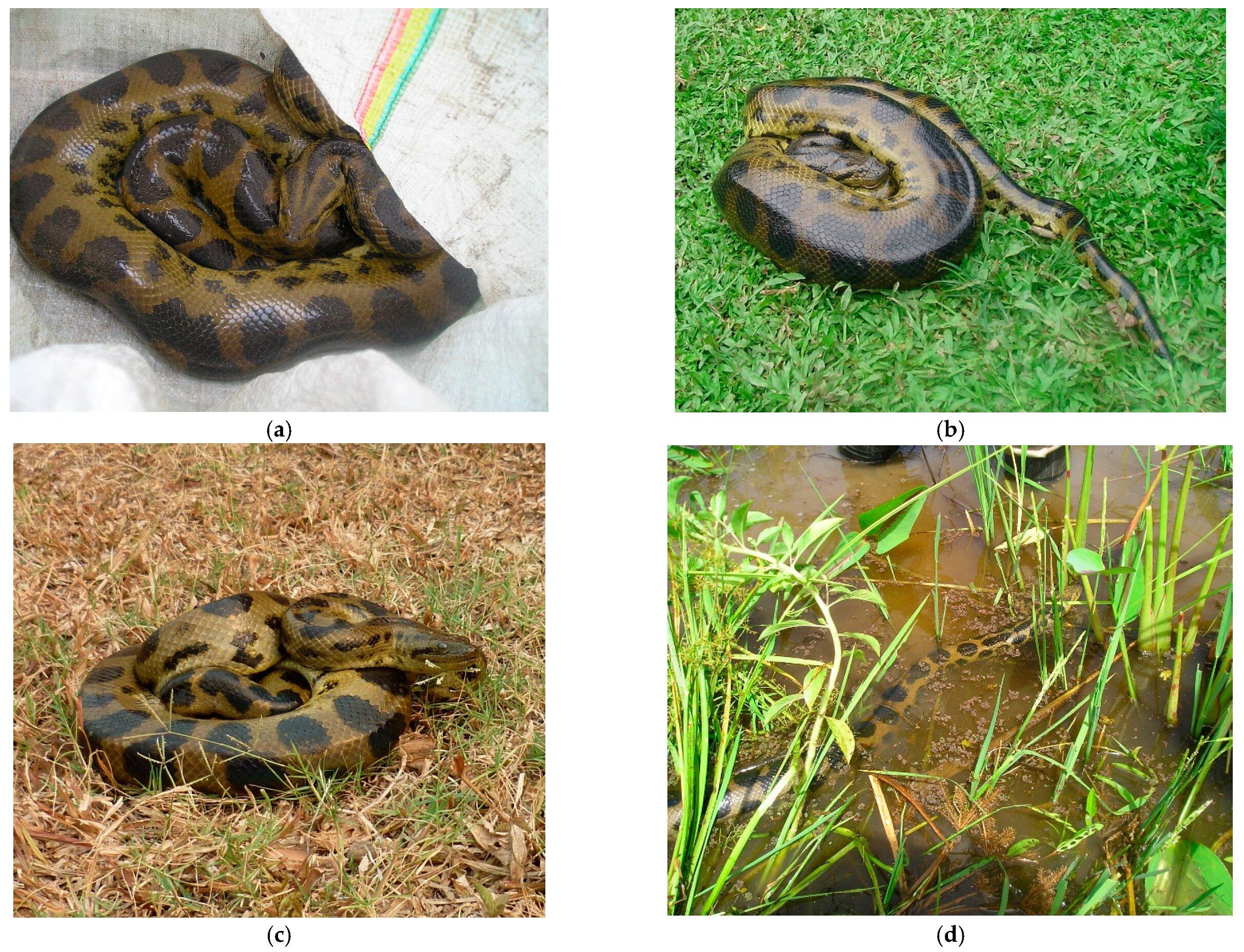
The Green Anaconda holds the title for being the heaviest of the snakes, and although it is outstripped in length by some pythons, its bulk is unparalleled. Favoring water, it moves with a surprising agility in its aquatic settings, yet it is also capable of climbing. Their behavior reflects a strategy of ambush, using their strong coils to constrict or drown their prey. The Green Anaconda's diet is as varied as it is carnivorous, and after a large meal, it spends extensive time basking for digestion.
Family Pythonidae: The World of Pythons
Maternal Instincts in Pythons

Female pythons are highly regarded in the animal kingdom for their maternal instincts. They not only protect their eggs by coiling around them but also have the ability to maintain optimal temperature through shivering. This devotion to their progeny’s development comes at great personal cost, as the females may lose a substantial amount of their body weight during this period.
Lesser-Known Booid Relatives
Beyond the common boas and pythons, the superfamily Booids includes several lesser-known relatives. Notably, the dwarf boas of the Tropidophiidae family exhibit unique behaviors such as secreting a strong musk and bleeding as a defense mechanism. The Bolyeridae family, composed of highly endangered species, and the sole member of Loxocemidae showcase the diverse strategies and adaptations these reptiles have adopted through millions of years of evolution.
Conservation Status and Human Impact
While boas and pythons are not currently considered highly endangered, they face threats from habitat loss and the misconceptions that lead to their killing. Conservation efforts are vital to ensuring the survival of these magnificent creatures, which play a significant role in their ecosystems.