Isolation and Evolution: Madagascar's Primate Heritage
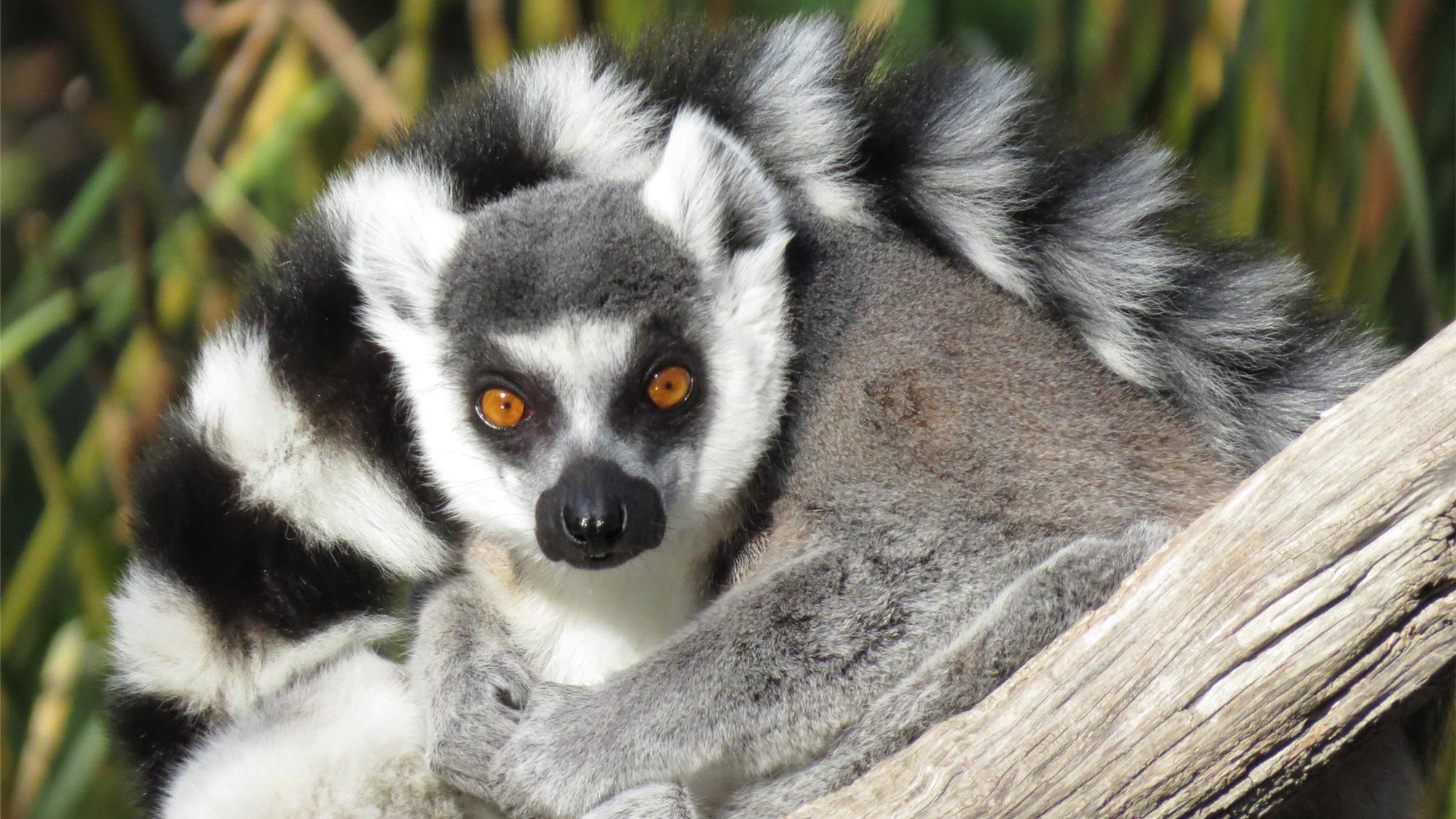
Madagascar, a treasure trove of biodiversity, is the exclusive home to the world's most fascinating primates, the lemurs. The journey of lemurs began approximately 50 million years ago, theorized to have traversed the ocean from Africa on mats of vegetation, leading to their current isolation and subsequent evolutionary path. Today, Madagascar and the neighbouring Comoro Islands boast around 50 species of these distinctive prosimians, untouched by the competitive presence of monkeys and apes. In the absence of such competitors, lemurs have thrived, diversifying into various species, from the small, solitary nocturnal creatures found on the mainland to some of the largest prosimians on Earth.
A Leap Through the Canopy: The Arboreal World of Lemurs
The agile lemurs master the treetops of Madagascar's lush forests, leaping from tree to tree and gracefully maneuvering through the canopy. Their powerful legs, longer than their arms, propel them forward, while opposable thumbs and toes ensure a secure grip. Known as "vertical clingers and leapers," these creatures exhibit remarkable dexterity in their arboreal habitat. On the ground, lemurs demonstrate a range of locomotion, from quadrupedal strides to occasional bipedal leaps. Despite their iconic long, furry tails, used for balance rather than prehension, lemurs retain their quadrupedal roots when navigating terra firma.
Remarkable Adaptations: Vital Statistics and Behaviors

Social in nature, lemurs form cohesive groups typically led by a dominant female. Their varied diets include fruits, leaves, flowers, and occasionally, insects and small vertebrates, adapting their eating habits to the resources available in their distinct niches. With such adaptations, lemurs not only thrive but also play an integral role in their ecosystems as pollinators and seed dispersers.
Nasally Gifted: The Scent-driven Society of Lemurs
Lemurs possess an exceptional sense of smell, courtesy of their elongated wet noses, which starkly contrasts the flat, dry noses of most primates. Scent plays a pivotal role in their communication, ranging from intimidation tactics to flirtatious gestures. Additionally, the lemurs' vision, although boasting a wider field due to side-placed eyes, maintains the essential binocular ability to judge distances effectively.
From Tiny Nocturnals to Sociable Diurnals: The Diversity of Lemur Species
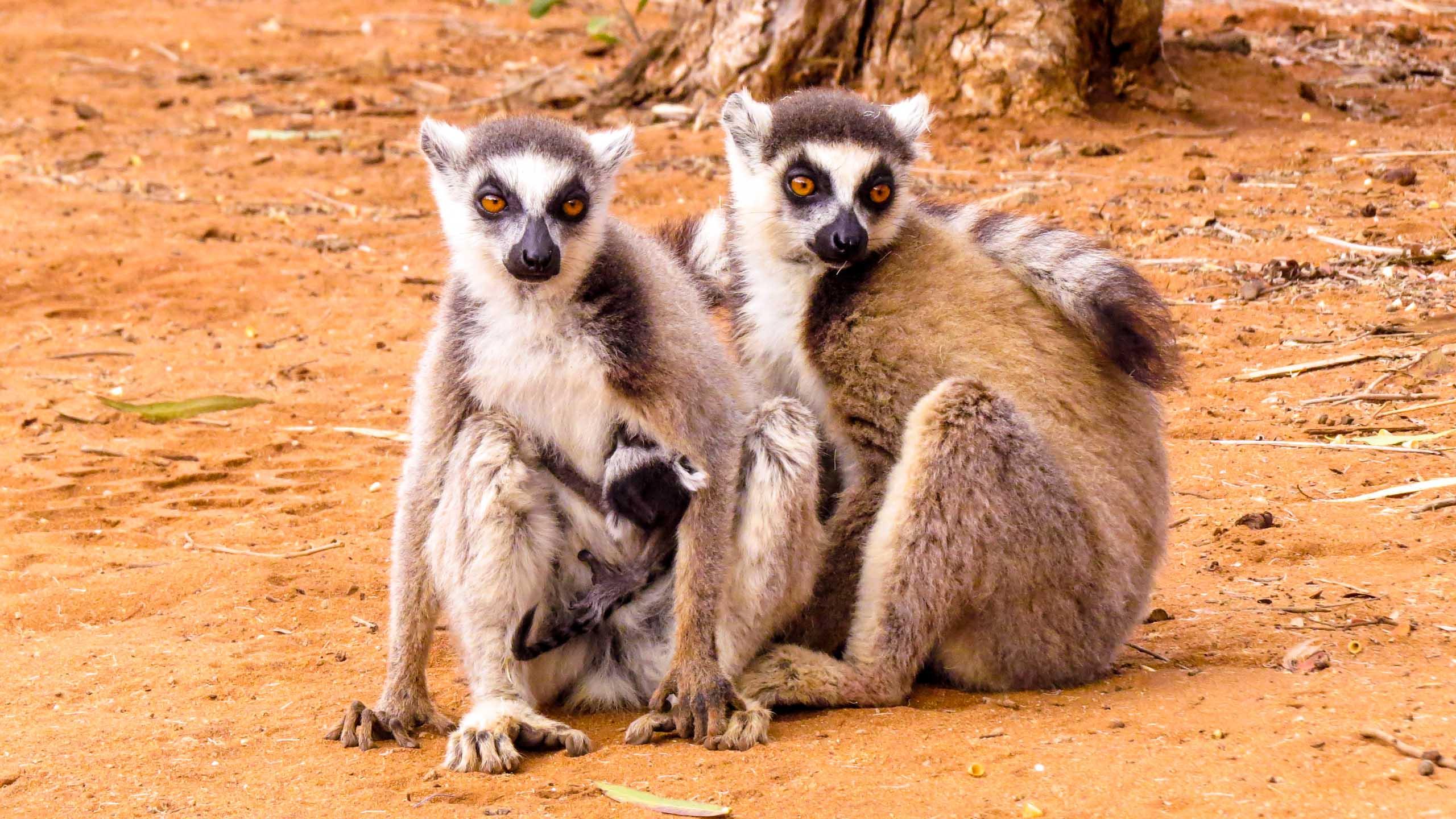
Among the lemurs, there is a rich tapestry of species each taking up unique roles within their habitats. From the Ring-tailed Lemur, well-known for its distinctive tail and specialized scent glands, to the elusive nocturnal species that roam the Malagasy night, the lemur family showcases an array of adaptations and behaviors that underscore their evolutionary success.
Endearing Offspring and Social Bonds
Baby lemurs are nurturers within the safety of their mother's care, learning essential life skills over a prolonged period. Twin births are a common occurrence in several species. Social grooming, utilizing specialized dental and claw instruments, is a key bonding activity within lemur communities, essential for maintaining harmonious group dynamics.
Under Threat: The Plight of Lemurs in the Wild
Despite their resilience and adaptations, lemurs face dire threats from habitat destruction, hunting, and the illegal pet trade. With the encroachment of human activities, lemurs have faced a devastating reduction of their forest homes. Conservation efforts are crucial in stemming the tide of extinction and preserving the unique heritage of these charismatic primates.
Conservation in Action: Protecting the Last Lemur Strongholds
Concerted efforts by global and local institutions aim to safeguard the remaining lemur populations through habitat preservation, species reintroduction projects, and education initiatives. The Madagascar Fauna Group and other dedicated organizations are at the forefront, pioneering innovative strategies to ensure that lemurs continue to leap through Madagascar's forests for generations to come.